Author name: admin

Mumbai Trans Harbour Link, A Game Changer For Real Estate In Panvel

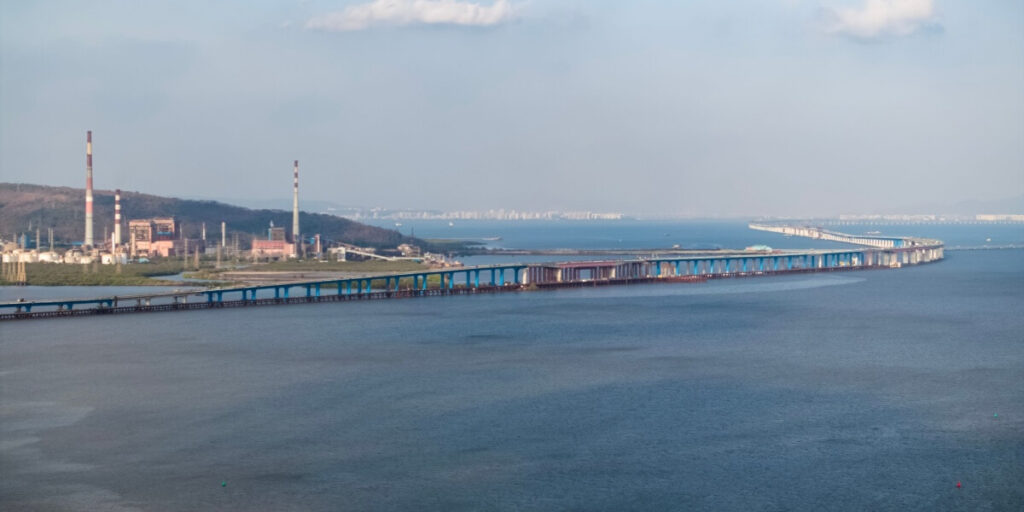
Prime Minister Narendra Modi will inaugurate the Mumbai Trans Harbour Link (MTHL), the country’s longest sea bridge, on January 12, 2024. The 21.8 km long MTHL would cater to 70,000 vehicles daily connecting Sewri at Mumbai to Chirle at Navi Mumbai. The inauguration of the Mumbai Trans Harbour Link (MTHL) is set to revolutionize the daily commute, slashing the travel time from the current 2 hours to a mere 20 minutes. This remarkable improvement in connectivity is anticipated to fuel a surge in housing demand and a corresponding increase in property values in Panvel region. The MTHL will make reaching Panvel more convenient from Central and South Mumbai than accessing Andheri in the western suburbs or Ghatkopar in the central suburbs, where real estate prices are currently 3 to 4 times higher. With improved connectivity and reduced travel time, home buyers will find it beneficial to buy larger homes here in Panvel and at a much reasonable cost, rather than buying more expensive and smaller homes in the Mumbai suburbs which are already densely populated with inadequate infrastructure and lifestyle.

Mumbai Trans Harbour Link, A Game Changer For Real Estate In Panvel Read More »

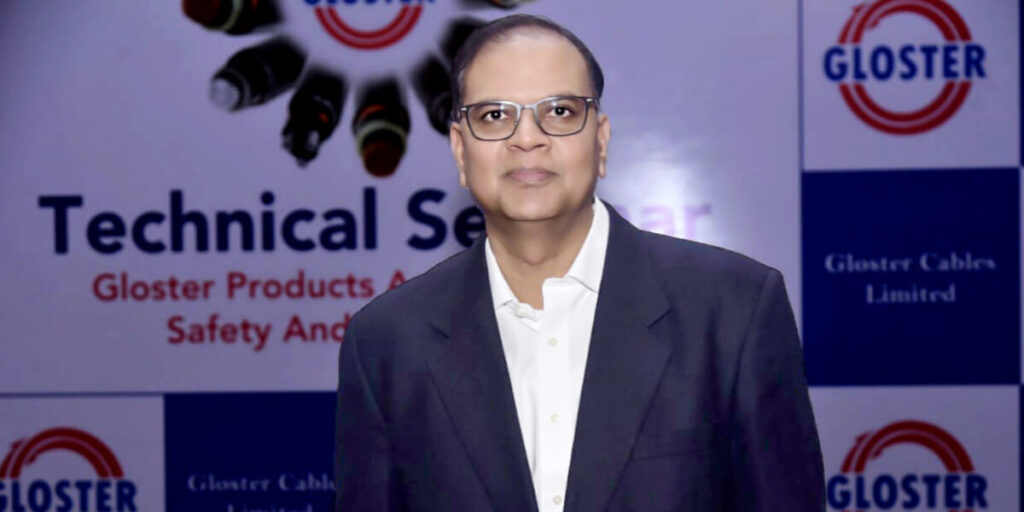
Sri Vinay Rathi, Director, Gloster Cables Limited.

Q. How do you ensure compliance with industry standards and regulations? We ensure compliance with industry standards and regulations through rigorous testing protocols conducted at various stages of production. Dedicated quality assurance teams meticulously monitor manufacturing processes to adhere to standards such as ISO. Regular audits and certifications verify compliance with regional and international regulations, including safety codes and environmental mandates. Collaborations with industry associations and participation in standard- setting committees facilitate staying updated with evolving regulations. Continuous staff training programs ensure employees are knowledgeable about compliance requirements, fostering a culture of adherence within the organization Q. How do technological advancements impact your production efficiency and product quality? Technological advancements in the cable industry enhance production efficiency through automation, reducing manual labour and minimizing errors. Innovations in materials and manufacturing processes result in higher quality cables with improved durability and performance. Integration of smart sensors and monitoring systems ensures real-time quality control, detecting defects early in the production process. Enhanced data analytics enable predictive maintenance, optimizing equipment uptime and reducing downtime. Overall, these advancements streamline operations, boost productivity, and elevate the quality standards of cable products. Q. What market trends or changes have you observed recently? In India’s electrical industry, there’s a noticeable shift towards renewable energy solutions, with a focus on solar and wind power generation. Government initiatives promoting clean energy adoption and electrification of rural areas are driving market growth. Technological advancements, such as smart grids and IoT-enabled devices, are reshaping infrastructure development. Additionally, there’s a growing demand for energy-efficient appliances and LED lighting solutions. The industry is also witnessing increased investment in electric vehicle charging infrastructure to support the transition towards sustainable transportation. Q. How do you ensure a skilled and motivated workforce? To ensure a skilled and motivated workforce, we prioritize ongoing training and development programs tailored to individual needs. Foster a culture of recognition and reward for achievements, encouraging employees to excel. Provide opportunities for advancement and clear career paths to inspire ambition. Regularly solicit feedback and implement suggestions to show employees their voices are valued. Lastly, maintain open communication channels and support a healthy work-life balance to sustain motivation and productivity.

Sri Vinay Rathi, Director, Gloster Cables Limited. Read More »

The power sector in India

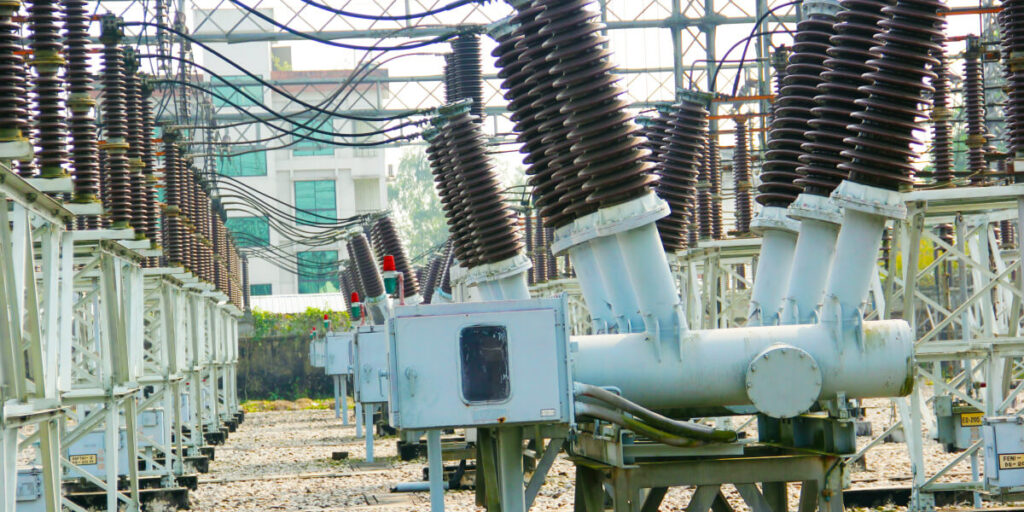
The power sector in India has faced challenges such as financial stress in distribution companies, issues related to land acquisition for projects, and occasional policy uncertainties. Addressing these challenges is crucial for the sustainable growth of the sector. Renewable Energy Growth: India has been making significant strides in the renewable energy sector. The government has set ambitious targets for increasing the share of renewable energy in the total energy mix, including solar and wind power. Policy Initiatives: The government has been implementing various policy initiatives to boost the power sector, such as the Ujwal DISCOM Assurance Yojana (UDAY) for financial restructuring of power distribution companies and the Saubhagya scheme to ensure electrification of all households. Electricity Generation Capacity: India has been continuously working on increasing its electricity generation capacity, both conventional and renewable. Investments in new power plants, both thermal and renewable, have been ongoing. Energy Efficiency Programs: The government has been focusing on improving energy efficiency and has launched programs like the Perform, Achieve, and Trade (PAT) scheme for industrial energy efficiency. Grid Modernization: Efforts have been made to modernize the power grid infrastructure to enhance reliability, reduce transmission losses, and integrate a higher share of renewable energy into the grid. Power is among the most critical components of infrastructure, crucial for the economic growth and welfare of nations. The existence and development of adequate power infrastructure is essential for sustained growth of the Indian economy. The fundamental principle of India’s power industry has been to provide universal access to affordable power in a sustainable way. The Ministry of Power has made significant efforts over the past few years to turn the country from one with a power shortage to one with a surplus by establishing a single national grid, fortifying the distribution network, and achieving universal household electrification. India’s power sector is one of the most diversified in the world. Sources of power generation range from conventional sources such as coal, lignite, natural gas, oil, hydro and nuclear power, to viable non-conventional sources such as wind, solar, agricultural and domestic waste. Electricity demand in the country has increased rapidly and is expected to rise further in the years to come. In order to meet the increasing demand for electricity in the country, massive addition to the installed generating capacity is required. India was ranked fourth in wind power capacity and solar power capacity and fourth in renewable power installed capacity, as of 2021. India is the only country among the G20 nations that is on track to achieve the targets under the Paris Agreement. India is the third-largest producer and consumer of electricity worldwide, with an installed power capacity of 426.13 GW as of November 30, 2023. As of November 30, 2023, India’s installed renewable energy capacity (including hydro) stood at 179.57 GW, representing 42.1% of the overall installed power capacity. As of November 30, 2023, Solar energy contributed 72.31 GW, followed by 44.56 GW from wind power, 10.26 GW from biomass, 4.98 GW from small hydropower, 0.57 from waste to energy, and 46.88 GW from hydropower.


The power sector in India Read More »

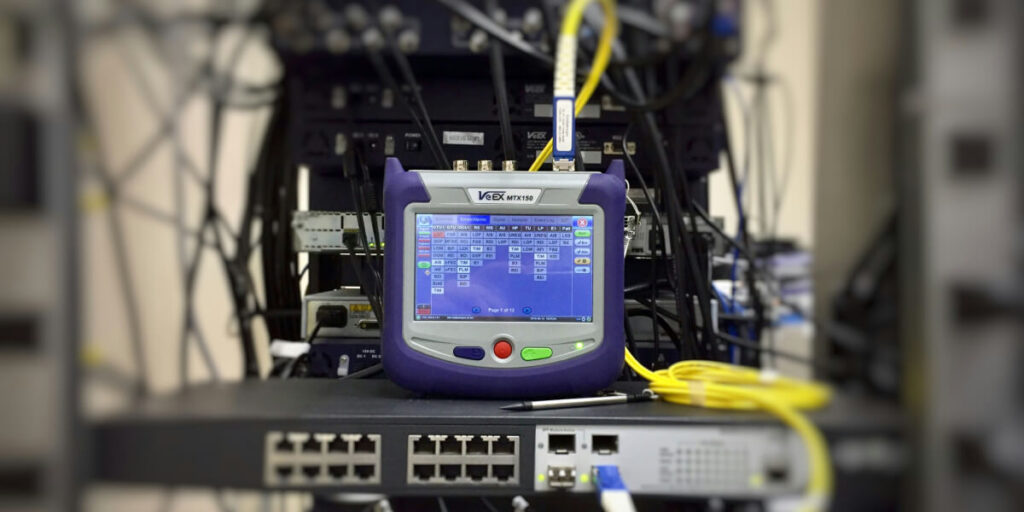
The Asia Pacific market is experiencing significant growth in Test and Measurement sector

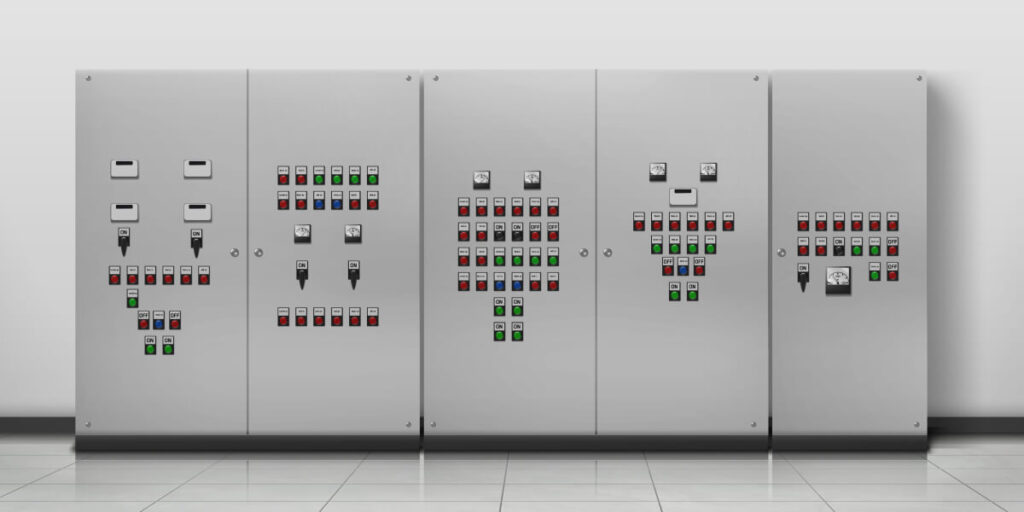
The Asia Pacific market is experiencing significant growth, driven by factors such as a rising number of original equipment manufacturers and semiconductor device manufacturers, along with the expansion of mobile operators and a thriving telecom industry. The increasing emphasis on digitalization and e-health further contributes to the growth of the test and measurement equipment market in the region. China, recognized as a global manufacturing hub in electronics, semiconductors, and automotive industries, plays a pivotal role. Despite the pandemic’s impact on China’s GDP, the country successfully controlled the virus spread, minimizing its economic repercussions. China is poised to emerge as the only major economy avoiding contraction, surpassing global peers, including the US.

Amidst the trade war with the US, China redirected its focus to European and Asian economies. European countries perceive China as a potential growth source in the post-pandemic world. In December 2020, the European Union finalized a comprehensive investment deal with China, fostering increased trade volumes, particularly in high-quality products like medical devices and wireless communication devices.

The Asia Pacific market is experiencing significant growth in Test and Measurement sector Read More »

© Copyright 2024 All Rights Reserved - www.electricalpowerinfo.com

Scroll to Top